Trump Weighs Further Iran Action
President Trump said a decision is coming on whether to go further against Iran, while Qatar-mediated nuclear talks and an Iranian proposal moved in parallel.
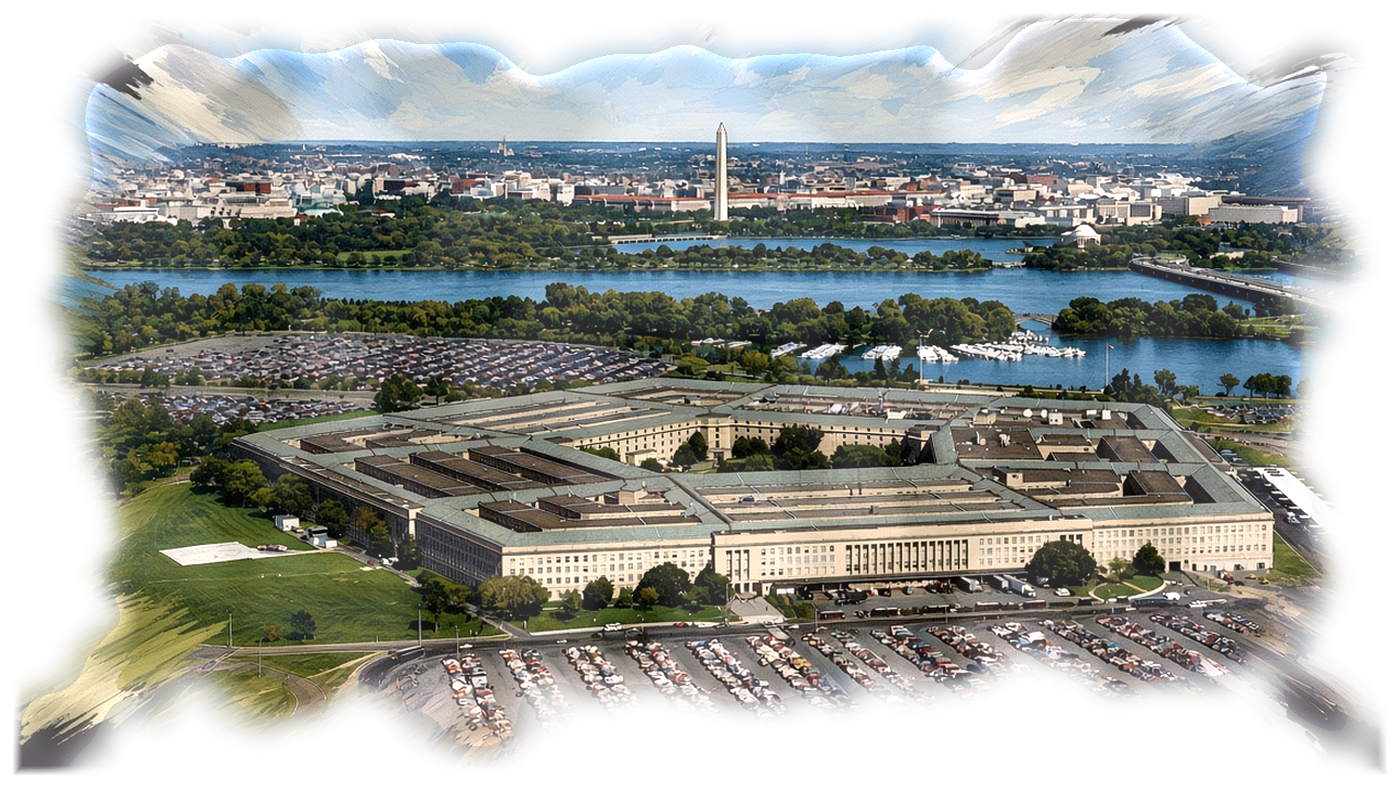
The Pentagon from the air, with the Potomac and Washington beyond.Illustration by Agentic Newsgathering, based on a U.S. Department of Defense photo by Ken Hammond (public domain)
President Trump said in the Oval Office that he will soon decide whether the United States must go further to make sure Iran cannot rebuild. "I would rather not destroy the rest of the country if possible, but maybe I'll have to. You'll know soon enough," he told reporters. He said the U.S. blockade had succeeded, claimed American forces had established control over strategic areas including the Strait of Hormuz, and put U.S. deaths in the war at 18; Defense Department figures cited by Stars and Stripes count 11 combat and 12 non-hostile deaths. He defended Secretary of War Pete Hegseth against calls for his removal. The same day, a U.S. official told the New York Post that Qatari mediators have been running fresh nuclear talks with Tehran, with at least three meetings on concrete proposals in the past week. Reuters later reported that Iran had sent a nuclear proposal to Washington through Qatar and would discuss it only after the United States meets seven Iranian demands. Trump had said earlier in the week that he was not planning post-midterm strikes; his latest remarks put a new decision on the table without saying what it will be.
What Trump said
Asked about next steps in Iran, Trump framed a choice still ahead of him. He said the blockade had "succeeded... tremendously," and said a decision was coming on whether further force was needed to certify that Iran could not rebuild. He repeated that he would rather not destroy the rest of the country if he could avoid it, then added that he might have to, and that the public would know soon enough.
He put American deaths in the Iran campaign at 18 and argued that figure was far lower than losses in Vietnam or Afghanistan. He also defended Hegseth, saying the Pentagon chief had done "a fantastic job" and brushing off criticism as the product of opposition to cuts in senior ranks.
Talks running beside the threat
Separate from the Oval Office remarks, diplomacy kept moving. A U.S. official told the New York Post that Qatari officials have been mediating fresh discussions with Tehran about its nuclear program, and that at least three meetings on "concrete proposals" have taken place in the past week, a detail the New York Times had reported first. Reuters reported later the same day that a senior Iranian official said Iran had returned a nuclear proposal to the United States through Qatar, with Washington reviewing it, and that Tehran would talk only after its seven demands were met.
Trump, asked about an Iranian proposal, told reporters Iran was "not doing anything without our approval" and "not going to have a nuclear weapon," according to the Jerusalem Post's Reuters account. The full list of seven demands was not published in the opened copy; secondary writeups name sanctions relief, frozen assets and war reparations among them.
How this sits against earlier comments
Earlier in the week, Trump had ruled out renewing strikes right after the midterms, and Vice President JD Vance said he and the president felt fairly good about the prospects of a negotiated settlement. The new language does not announce a new strike. It announces a decision still to come, with force left on the table and mediation still under way. Unverified claims that anonymous sources say Trump has already decided on strikes are not the story; the on-record remarks are.