U.S. Bars Unauthorized Drones at the Mexico Border
A yearlong flight restriction from the Departments of Homeland Security, Transportation and War bans drones flown without permission from the ground up to 400 feet within one nautical mile north of the entire U.S.-Mexico border. The agencies say it targets drones used by drug cartels, and Secretary of War Pete Hegseth said troops will shoot down cartel drones.
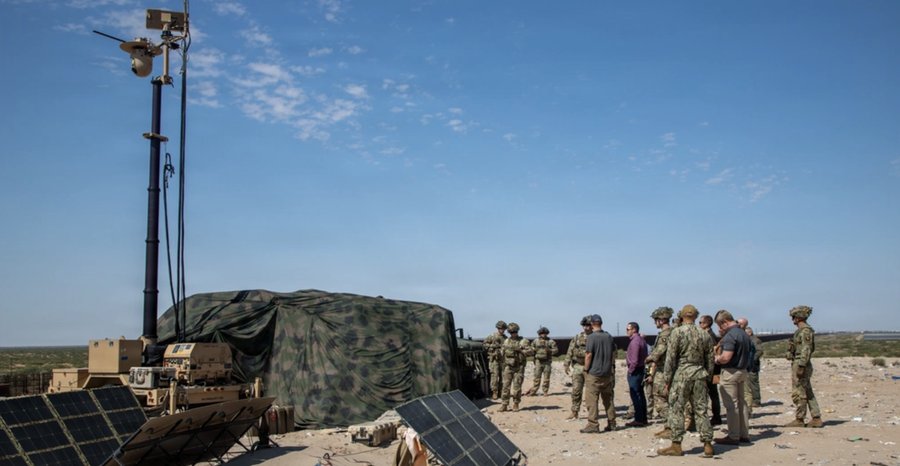
The United States has banned drone flights without government permission in a strip of airspace along the entire border with Mexico. The rule covers everything from the ground up to 400 feet and reaches one nautical mile, about 1.15 miles, north of the border line.
The Department of Homeland Security, the Department of Transportation and the Department of War, as the administration now calls the Defense Department, issued it together as a temporary flight restriction, a legally binding limit on flying in a set area. They said it is meant to counter drones used by cartels, protect federal agents and facilities, and make enforcement easier. The Pentagon has said there are more than 1,000 drone incursions along the border each month.
Anyone who wants to fly a drone in the zone must ask U.S. Customs and Border Protection at least 48 hours ahead. The Federal Aviation Administration's notice runs from October 19, 2026, to October 19, 2027.
"Our warfighters will shoot down any cartel drone that threatens America's sovereignty," Hegseth said.
Washington — The federal government has barred drones flown without permission from the airspace along the U.S.-Mexico border, from the ground up to 400 feet and out to one nautical mile north of the border line.
The Departments of Homeland Security, Transportation and War announced the measure together. It takes the form of a temporary flight restriction, a binding limit on flying in a defined area that the FAA publishes through notices to pilots, known as NOTAMs. The agencies said the restriction would reduce risks to border security operations, protect federal personnel and facilities, and make it easier to act against people who break it.
What the restriction covers
The zone runs the full length of the southern border, from the Pacific coast to the Gulf coast. It covers the airspace from the surface to 400 feet above the ground, the ceiling for most small-drone flights under FAA rules. A nautical mile is about 1.15 ordinary miles, or 1.85 kilometers. The FAA's notice splits the border into three sections, one for each of the regional air traffic centers in Los Angeles, Albuquerque and Houston. Homeland Security said the restriction took effect on October 16, the day it was announced. The FAA's notice, which sets out the restriction, gives its period as October 19, 2026, through October 19, 2027, and tells operators to check the published NOTAMs for exact effective dates and times and for any changes before flying.
Who can still fly
Flights are not banned outright. Operators who want to fly in the zone must email a request to Customs and Border Protection at least 48 hours in advance, giving the operator's name, FAA certifications and phone number, the planned date, time and place, and the drone's make, model, serial number and Remote ID, the electronic identification signal that drones broadcast in flight. First responders and other groups dealing with natural disasters or urgent emergencies can call the agency for faster approval.
Neither the FAA notice nor the announcement says which kinds of flights will be approved, or whether routine commercial or hobby flights can be.
What officials said
"This action will help counter cartel drone threats, protect our personnel, and strengthen security in the airspace above the border," said Homeland Security Secretary Markwayne Mullin. Transportation Secretary Sean P. Duffy said the government was "protecting our skies from cartel drone threats and other illicit activities."
Hegseth said the United States "will maintain 100% operational control of our border: land, air, and sea." He said limiting unauthorized drones would give commanders "greater awareness, greater decision space, and more options to defend the Homeland," and that troops equipped with technology "including Directed Energy Weapons" would "shoot down any cartel drone that threatens America's sovereignty." Directed-energy weapons use concentrated energy, such as a laser beam, to disable a target.
The drones and the lasers
U.S. security officials say Mexican cartels use drones to drop drug packages and to watch smuggling routes. In April, the FAA and the Pentagon signed an agreement allowing the government to use a high-energy laser system against drones along the southern border.
The lasers have caused trouble before. In February, the FAA ordered all flights at the El Paso airport halted for 10 days because Customs and Border Protection had used the Pentagon's laser system without a completed FAA safety review. The order was lifted after about eight hours, following White House intervention. Days later, the military shot down one of Customs and Border Protection's own drones with the laser system, and the FAA widened a no-fly area around Fort Hancock, Texas.
What stays the same
The restriction applies only to drones flown without approval, and only inside the one-nautical-mile band and below 400 feet. Drone rules elsewhere in the country are unchanged, and flights that Customs and Border Protection approves can go ahead inside the zone.