Brazil Clears Human Tests of Malaria Vaccine
The country's regulator approved a first safety trial in 48 adults for Vivaxin, a university-built vaccine against the vivax malaria parasite common in the Americas and Asia, for which no vaccine is approved anywhere.
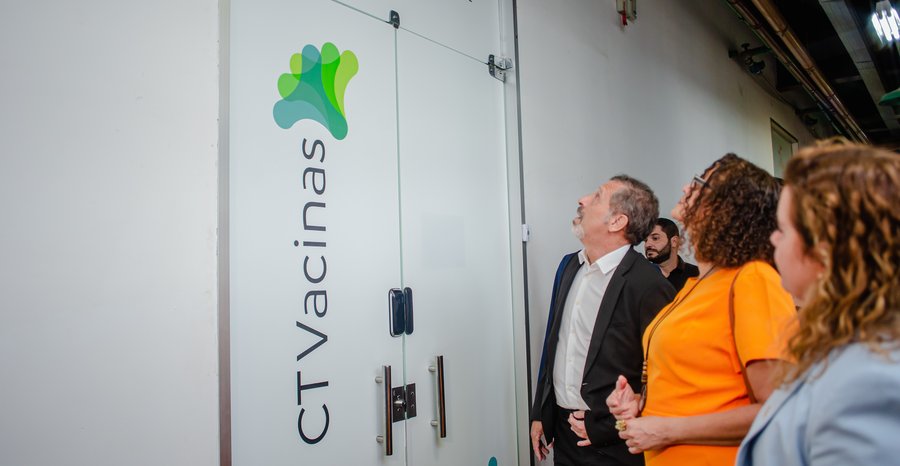
BELO HORIZONTE, Brazil — A Brazilian vaccine against the most common form of malaria outside Africa is cleared to be tested in people for the first time.
Brazil's health regulator, Anvisa, approved the clinical trial plan for the vaccine, called Vivaxin, in a resolution dated 6 October, its developers said. On Saturday, 10 October, Health Minister Alexandre Padilha presented the study in Minas Gerais state and announced planned federal funding of 12 million reais for its trials, the Health Ministry said.
Why this matters
Malaria is caused by tiny parasites passed on by the bite of infected Anopheles mosquitoes. Fever, chills and headache are the most common symptoms. Two malaria vaccines are recommended today by the World Health Organization, known as RTS,S and R21. Both were designed against one species of parasite, Plasmodium falciparum, which dominates in Africa.
Vivaxin targets a different species, Plasmodium vivax. It is the main cause of malaria in much of the world outside sub-Saharan Africa, especially in the Americas and Asia, and no vaccine against it is yet available for use anywhere, the developers said. Other vivax vaccine candidates have been tested in small trials, including at the University of Oxford, but none has been approved.
The World Health Organization's 2025 World Malaria Report counted about 9.9 million cases of vivax malaria in 2024, according to the vaccine centre. In the Americas, vivax caused 63.1 percent of estimated malaria cases that year.
Vivax is also hard to get rid of. Some forms of the parasite can hide in the liver for a long time and later cause new bouts of illness without a new mosquito bite. That means treatment has to clear both the blood and the liver. While falciparum causes most severe cases, vivax can also cause serious problems, including severe anaemia, breathing problems and a ruptured spleen, Brazil's Health Ministry says.
Who made it
Vivaxin was developed at the Vaccine Technology Centre, known as CTVacinas, of the Federal University of Minas Gerais, with the University of São Paulo, where the vaccine's key ingredient, the antigen, was found and first tested, and the Brazilian drug company Cristália.
"It has an important socioeconomic impact, because a sick person cannot work," said Ricardo Gazzinelli, who coordinates CTVacinas. He said the team learned how to take a vaccine to trials while developing a Brazilian COVID-19 vaccine candidate. "SpiN-TEC taught us the route of vaccine development," he said.
What the trial will test
This first stage, called Phase 1, is about safety, not yet about whether the vaccine prevents malaria. It will check for side effects and whether the vaccine makes the immune system respond.
The registered plan calls for 48 healthy adults aged 18 to 59 who have never had malaria. Three different doses will be tested, with some volunteers given Vivaxin and others a placebo, a dummy shot. Each person receives three injections 28 days apart and is followed for 360 days. The study site is the clinical research centre of the university's Hospital das Clínicas in Belo Horizonte.
If the results are good, later trials, called Phase 2 and Phase 3, would test whether the vaccine actually protects people. The ministry's planned 12 million reais is meant to cover all three phases.
What it means in practice
Brazil recorded 118,037 locally acquired malaria cases in 2025, more than 99 percent of them in the Amazon region, according to the Health Ministry. The country has a national plan to stop local transmission by 2035. A working vivax vaccine would add a new tool to mosquito control, testing and treatment, and could matter across Latin America and in Asian countries hit by vivax malaria, Gazzinelli said.
"This vaccine can play an extremely important role in eliminating malaria from our territory and, with that, also contribute to eliminating malaria in Latin America," he said.
Phase 1 alone follows each volunteer for almost a year. The developers say its results will guide the later stages needed to show whether Vivaxin protects against the disease.
What happens next
With Anvisa's approval, the team can start enrolling volunteers in Belo Horizonte. Its findings will decide whether Vivaxin moves to larger trials.