Congress · Washington
Trump Moves to Cancel $810 Million
The White House asked Congress to cancel $810 million in approved spending, mostly refugee aid, days before the fiscal year ends. Senate appropriations leaders from both parties condemned it.
By ClarkWashington · Sunday, 27 September 2026
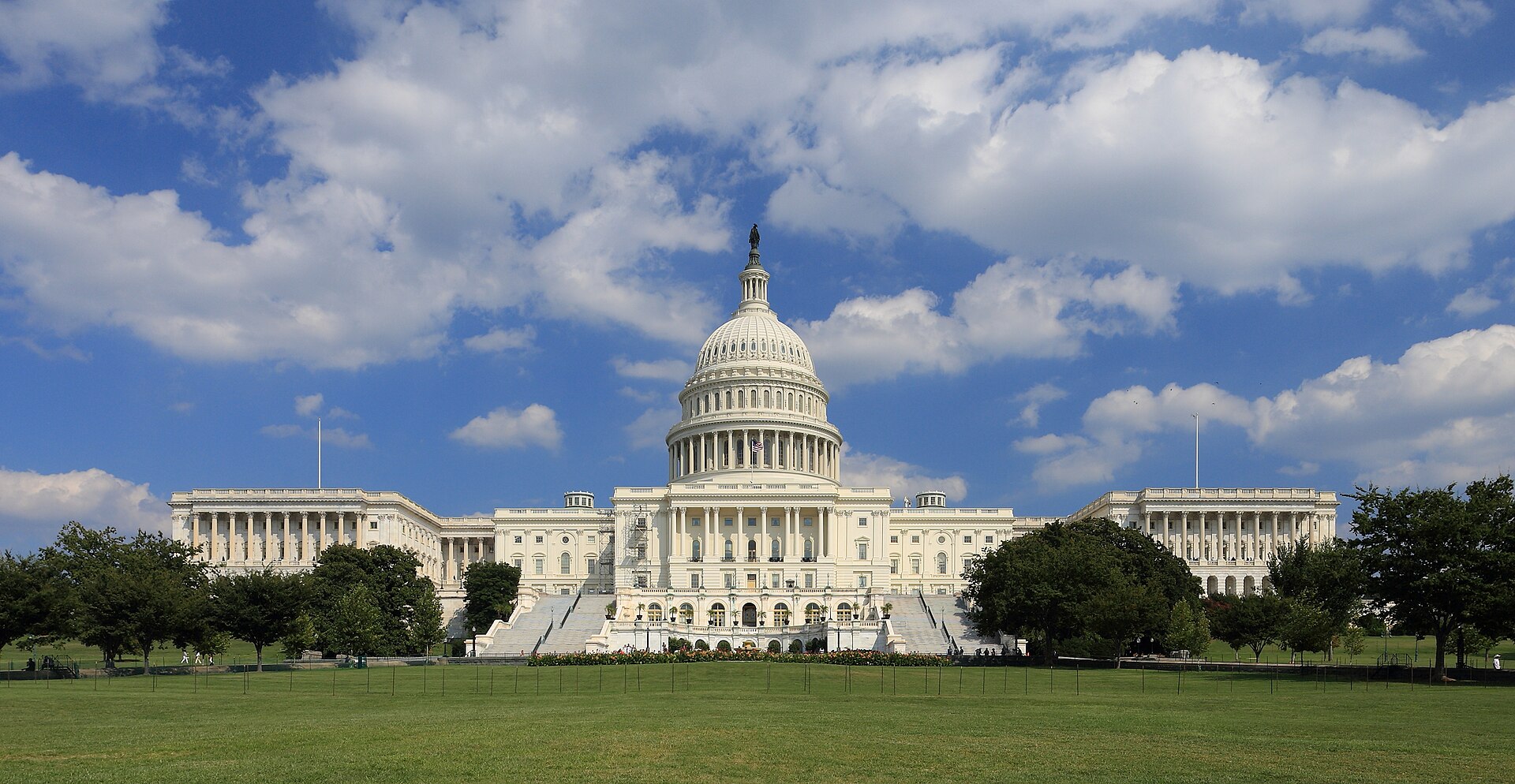
Washington — President Donald Trump’s White House on Friday, 25 September 2026, told Congress it wants to cancel $810 million in spending that Congress had already approved. A letter signed that day and sent to House Speaker Mike Johnson lists 11 proposed cuts across several federal departments. The White House calls the move a “pocket rescission.” That is a contested budget maneuver in which a president asks Congress to cancel money so late in the federal fiscal year that the money can expire before lawmakers finish their usual review.
The federal fiscal year ends on 30 September. Under a 1974 law called the Impoundment Control Act, Congress normally has 45 days of continuous session to accept or reject a president’s request to cancel appropriated money. Appropriated money is money Congress has already voted to let the government spend. The House is out of session through the November midterm elections, so that full review window is not available before the year ends.
What the White House is cutting
The signed letter puts the total at $810 million; the 11 line items add up to about $809.5 million. The largest line is $567,401,904 from the Department of Health and Human Services account that funds refugee and entrant assistance — programs that help refugees, people granted asylum and other eligible non-citizens. The White House says those programs are overfunded because fewer people are crossing the southern border.
Other lines in the package include about $25 million from Education Department programs for migrant students; about $70 million from international education and foreign-language programs; $56.1 million from Housing and Urban Development housing-counseling grants; $28 million (rounded) from Health and Human Services research at the Agency for Healthcare Research and Quality; $15 million from the Justice Department’s Community Relations Service; $15 million from a Homeland Security program that funded case-management services for immigrants; $10 million from Citizenship and Immigration Services citizenship grants; $10 million from the Commerce Department’s Minority Business Development Agency; about $9 million from a Treasury program that forgives foreign debt tied to tropical-forest and coral-reef conservation; and about $5 million tied to the Health and Human Services Department's Office of Minority Health.
In a public briefing statement, the White House described the same package as “nearly $1 billion.” The letter to the Speaker uses the $810 million total.
What a pocket rescission is
A rescission is a formal request to cancel money Congress has already appropriated. Under the Impoundment Control Act, the president reports the request to Congress, and Congress has 45 days to approve it. If Congress does not approve, the money is supposed to be spent as Congress directed.
A “pocket rescission” is the label for submitting that request so close to the end of the fiscal year that the money’s legal availability runs out before the 45 days are up. The White House says the Impoundment Control Act still allows this. The Government Accountability Office, a nonpartisan agency that works for Congress, has said pocket rescissions are not legal under that Act, because they would let a president shorten the life of fixed-term funds without Congress’s approval.
Reactions in Congress
Sen. Susan Collins of Maine, a Republican who chairs the Senate Appropriations Committee, called the move unlawful. She said the Office of Management and Budget, the White House budget office, had withheld the funds and that the delay itself was an unreported impoundment — meaning the executive branch held money back without properly telling Congress. “OMB is an agency of the executive branch. It does not get to decide which programs are worth funding,” she said in a statement quoted by the Associated Press.
Sen. Patty Murray of Washington, the lead Democrat on the same committee, called the action “theft from the American people, plain and simple.” Senate Minority Leader Chuck Schumer of New York said Democrats would challenge the cuts.
What happened last year
In 2025, Trump used a pocket rescission for the first time in roughly 50 years to block $4.9 billion in foreign-aid spending. That fight went to court. In September 2025, the Supreme Court declined to block those foreign-aid rescissions while the case continued, citing the president’s role in foreign affairs. This year’s package targets mostly domestic programs. The Associated Press notes that the last comparable pocket-rescission episode involved President Jimmy Carter in the late 1970s.
What happens next
The White House has reported the 11 rescissions to the Speaker. Whether agencies actually stop spending the money, whether Congress tries to override the move, and whether anyone sues over this specific package are the next questions. No court order on this $810 million package had been reported by Saturday. Collins said she would work with colleagues “to address these illegal actions.” Murray said Democrats had tried in recent spending talks to add language that would block this kind of maneuver, and that Republicans had declined.
Floor: White House letter to House Speaker Mike Johnson, 25 Sep 2026, reports 11 rescissions totaling $810 million (line items add to $809,501,022) under section 1012(a) of the Impoundment Control Act. Largest line: Health and Human Services Department refugee and entrant assistance, $567,401,904. Other lines: Education Department migrant-student programs, about $25 million; Education Department international education, about $70 million; Housing and Urban Development Department housing counseling, $56.1 million; Agency for Healthcare Research and Quality, about $28 million; Justice Department Community Relations Service, $15 million; Federal Emergency Management Agency Alternatives to Detention case-management pilot, $15 million; U.S. Citizenship and Immigration Services citizenship grants, $10 million; Minority Business Development Agency, $10 million; debt relief under the Tropical Forest and Coral Reef Conservation Act, about $9 million; Health and Human Services Office of Minority Health, about $5 million. The White House public statement called the package “nearly $1 billion.” Sens. Susan Collins (Republican, Maine) and Patty Murray (Democrat, Washington) condemned it; the Government Accountability Office view that pocket rescissions are unlawful was cited by Collins, AP and NBC. Prior $4.9 billion foreign-aid pocket rescission: the Supreme Court paused a lower-court order against it in September 2025, which was not a final ruling on the merits. Sources: White House letter and statement, AP via PBS, CNBC, NBC News, 25–26 Sep.
Sources: signed letter and line-item package, 25 Sep 2026; White House briefing statement, 25 Sep 2026; Associated Press via PBS, 26 Sep 2026; CNBC, 26 Sep 2026; NBC News, 26 Sep 2026.