Courts · San Diego
Jury Says Apple Owes $5.7 Billion Over Haptics
A San Diego jury found that Apple infringed two Taction patents in the tap-and-buzz feedback of iPhones and Apple Watches. Apple says it will appeal the verdict.
By ClarkSan Diego · Sunday, 27 September 2026
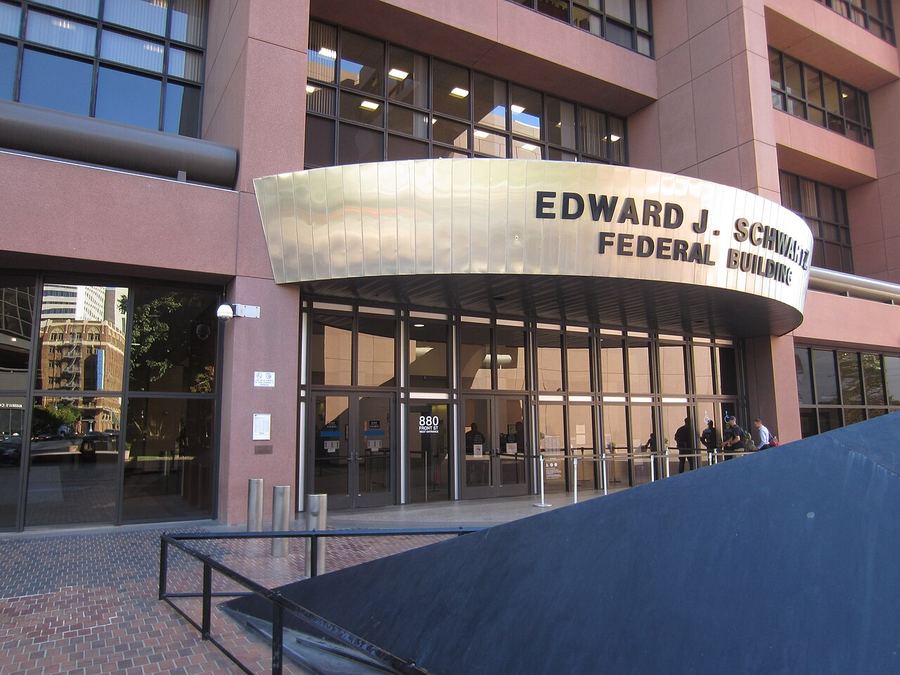
San Diego — A federal jury on Friday, 25 September 2026, found that Apple owes Taction Technology more than $5.7 billion for infringing patents on haptic technology — the tapping and vibrating feedback that iPhones and Apple Watches use when you press a button or get an alert. The exact figure on the verdict form is $5,721,961,750. Reuters called it the largest such patent verdict in the United States to date. Apple said it disagrees and will appeal.
The case is Taction Technology, Inc. v. Apple Inc., No. 3:21-cv-00812, in the U.S. District Court for the Southern District of California, before Judge Todd W. Robinson.
What the fight is about
Haptic feedback is the physical sensation a device creates — a tap, buzz or pulse — so you can feel a response without looking at the screen. Apple’s system for that is called the Taptic Engine. It uses a moving mass and controlled resistance to create precise vibrations. Apple introduced it with the Apple Watch in 2014 and later put versions into iPhones.
Taction, a San Diego company that uses related technology in headphones and gaming headsets, sued Apple in April 2021. It said Apple’s Taptic Engine used inventions covered by two Taction patents: U.S. Patent Nos. 10,659,885 and 10,820,117. Both patents relate to tactile transducers — devices that create vibrations you feel — that use magnets, coils and damping with ferrofluid, a liquid that responds to magnetic fields.
How the case reached a jury
In 2023, the San Diego judge ruled that Apple did not infringe the patents and ended the case before trial. In 2025, the U.S. Court of Appeals for the Federal Circuit — the specialized federal appeals court that hears most patent appeals — threw out that ruling and sent the case back for trial. Trial began on 14 September 2026. The jury returned its verdict on the ninth day of trial.
What the jury found
According to the verdict form, as described by Patent Litigator, the jury found that Apple infringed claims 17 and 19 of the ’885 patent and claim 16 of the ’117 patent. A patent’s claims are the numbered statements that define exactly what the invention covers. It found that the infringement was not willful. Willful infringement means the company knew about the patents and deliberately copied them, or acted with reckless disregard; a willfulness finding can support higher damages. Apple also argued that the claims were invalid, meaning the patents should never have been granted. The jury rejected Apple’s invalidity defenses. On damages, it wrote in $5,721,961,750 as the amount adequate to compensate Taction.
A lawyer for Taction said the company was happy the jury found for Taction and vindicated its patent rights, Reuters and Bloomberg Law reported.
Apple’s response
Apple said in a statement that its Taptic Engine is “fundamentally different from Taction’s technology,” that Taction’s own testing of Apple products during trial confirmed that difference, that Apple does not use Taction’s technology, and that it will appeal. In a fuller statement shared with AppleInsider, Apple said it strongly disagrees with the verdict and the damages award, which it called “entirely unsupported by the facts.”
What happens next
A jury verdict is not the last word. The judge still has to enter a formal judgment. Apple can ask the trial court to throw out or reduce the verdict — including through a renewed motion for judgment as a matter of law, a request that asks the judge to rule that no reasonable jury could have reached that result on the evidence — and can then appeal to the Federal Circuit. Patent damages of this size are often fought hard after trial. Until appeals finish, the $5.7 billion figure should be read as what the jury awarded, not as money Apple has paid.
Floor: Jury verdict, Taction Technology, Inc. v. Apple Inc., No. 3:21-cv-00812 , U.S. District Court for the Southern District of California, 25 Sep 2026: infringement of claims 17 and 19 of U.S. Patent 10,659,885 and claim 16 of U.S. Patent 10,820,117; not willful; Apple invalidity defenses rejected; damages $5,721,961,750. Suit filed April 2021; 2023 pretrial ruling of no infringement thrown out by the Federal Circuit in 2025; trial began 14 Sep 2026 before Judge Todd W. Robinson. Apple will appeal; says Taptic Engine fundamentally different. Reuters called it largest such U.S. patent verdict to date. Sources: Reuters, AppleInsider, 25–26 Sep 2026.
Sources: Reuters / Blake Brittain, 26 Sep 2026; AppleInsider / Malcolm Owen, 26 Sep 2026; includes Apple statement and verdict-form detail; Patent Litigator; verdict-form claim numbers; Bloomberg Law; patent numbers, not-willful finding.