Pentagon Bars Troops From Betting on Inside Information
Defense Secretary Pete Hegseth has barred military and Pentagon personnel from using nonpublic government information, classified or not, to bet on prediction markets such as Polymarket and Kalshi or on any other betting platform. Violations can bring discipline or criminal charges under military or federal law.
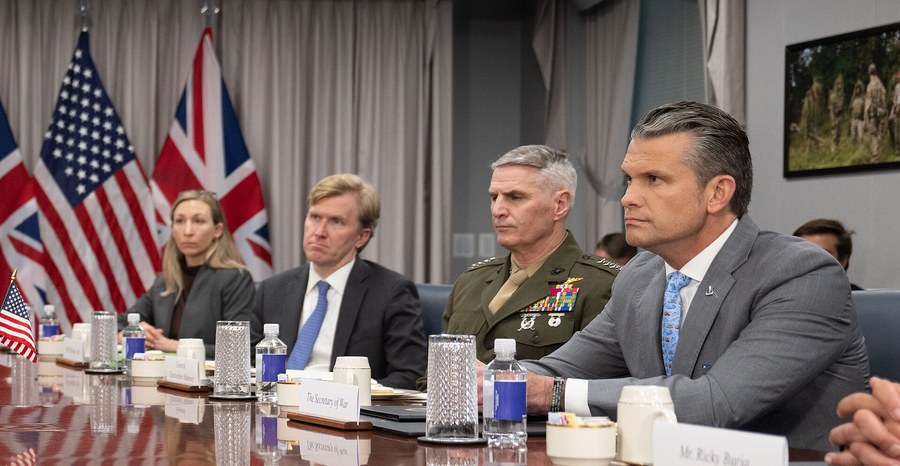
Defense Secretary Pete Hegseth has issued a memorandum barring Pentagon and military personnel from placing financial bets using nonpublic government information, including on "traditional betting platforms and prediction markets such as 'Polymarket' or 'Kalshi.'" Prediction markets let people bet money on the outcome of real events. The rule applies "whether the transaction is informed by classified or unclassified information," and violations can bring administrative, disciplinary and criminal action under military or federal law.
The memo went to Pentagon leadership, combatant commanders and the heads of defense agencies. Hegseth wrote that bets by people with inside knowledge create signals adversaries can use against U.S. forces. "Our enemies watch movements in these markets," he wrote, adding that a financial stake can "warp" an official's judgment.
The issue became public in April, when the Justice Department charged an Army special operations master sergeant, Gannon Ken Van Dyke, with using inside knowledge to bet on the capture of Venezuela's Nicolás Maduro before the raid was made public. Officials alleged he made nearly $410,000; he has pleaded not guilty. In August, CNN reported that Polymarket had referred dozens of possible military insider-trading cases to the Justice Department.
The Pentagon has barred service members and defense civilians from placing bets based on government information the public does not have, including on prediction markets, where people wager money on the outcome of real events.
What the memo says
Defense Secretary Pete Hegseth's memorandum, dated October 20 and obtained by DefenseScoop and CBS News, bars Pentagon and military personnel from placing financial wagers, "including traditional betting platforms and prediction markets such as 'Polymarket' or 'Kalshi,'" using nonpublic government information. "This prohibition applies whether the transaction is informed by classified or unclassified information," he wrote. "Violations may result in administrative, disciplinary, and, where appropriate, criminal action under the Uniform Code of Military Justice and/or applicable federal law."
It was addressed to Pentagon leadership, combatant commanders, and the directors of defense agencies and field activities. A source confirmed its authenticity to DefenseScoop.
The Pentagon's reasoning
Hegseth wrote that when troops, intelligence professionals and defense civilians bet on operational outcomes, they create indicators adversaries can exploit against U.S. forces. "Make no mistake why this matters. Our enemies watch movements in these markets," he wrote. "When an American Service member, intelligence professional, or other Department civilian engages in a financial transaction on a military outcome, they create a signal." According to CBS News, which also obtained the memo, he warned that foreign intelligence services could study betting activity to anticipate the movements, targets and timing of U.S. operations. He added that a financial stake can bend judgment: "A logistician with money riding on a strike date has an interest in that date. An analyst with a position on an outcome has an interest in that outcome."
The cases behind it
The question surfaced in April, when the Justice Department charged Master Sgt. Gannon Ken Van Dyke, assigned to U.S. Army Special Operations Command, with using inside knowledge to bet on a prediction market that Venezuelan leader Nicolás Maduro would be captured, before the raid was public. Officials alleged that he made nearly $410,000 and moved the money through a foreign cryptocurrency vault into a newly opened brokerage account. He has pleaded not guilty and was released on bond.
In August, Reuters reported research by the nonprofit Anti-Corruption Data Collective suggesting more than 150 Polymarket "wallets" may have traded on military insider information, and CNN reported that Polymarket had referred dozens of possible cases to the Justice Department.
What the rule covers
The memo, as reported, targets bets placed using nonpublic government information. Enforcement runs through existing military and federal law, under which violators can face administrative, disciplinary or criminal action.