Justice Department to Pay for Fraud Tips
A new Justice Department program will pay $10,000 to $30,000 to people whose tips lead to criminal charges for fraud against federal programs, paid once charges are filed rather than after a case ends. President Trump and Vice President JD Vance announced it at the White House; the Treasury is putting in $25 million.
The new Fraud Whistleblower Incentive Program pays when charges are filed, not years later, and the awards run from $10,000 to $30,000.
Most government reward programs pay only after a criminal case is fully over, including appeals. This one pays once charges are filed, and tipsters can still collect larger awards under other programs if their information leads to big penalties. The Treasury is committing $25 million.
The program covers health care fraud, with hospice, home health care, day care and special services fraud first in line, and fraud on programs run by the departments of Agriculture, Labor, Health and Human Services, Housing and Urban Development, Education, Veterans Affairs and War, and the Small Business Administration. Tips go to america.gov/fraud.
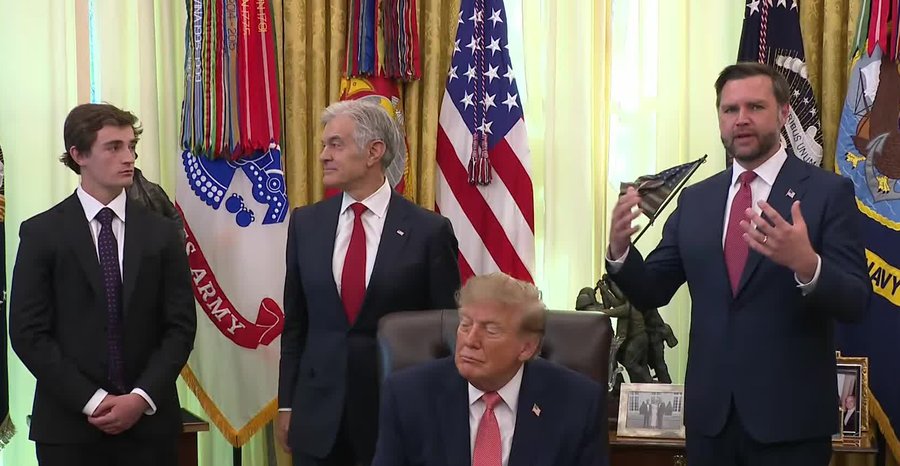
President Trump and Vice President JD Vance announced it in the Oval Office. Trump said he would decide who gets paid when more than one person claims a tip. The Justice Department's terms say awards are at its sole discretion.
Washington — The Justice Department has created a program that pays people for tips about fraud against the federal government, with awards of $10,000 to $30,000 for information that leads to criminal charges.
Attorney General Todd Blanche said the Fraud Whistleblower Incentive Program "offers everyone the opportunity to be part of the solution, help expose fraud, and be rewarded quickly for their efforts." The Treasury Department is committing $25 million to run it.
How the payments work
Most existing government whistleblower programs pay only after a criminal matter is fully resolved, including forfeiture and appeals. This program pays at a much earlier stage, after criminal charges are filed, which the department says gives tipsters more certainty about how much they will get and when. Tipsters remain eligible for larger rewards through other programs, such as the Criminal Division's corporate whistleblower pilot, if their information leads to large penalties or forfeitures. The department says awards are made at its sole discretion after charges are filed.
What fraud counts
The program covers federal health care offenses and fraud on programs and benefits run by the departments of Agriculture, Labor, Health and Human Services, Housing and Urban Development, Education, Veterans Affairs and War, and by the Small Business Administration. For health care, it will put hospice, home health care, day care and special services fraud first. Members of the public can report at america.gov/fraud.
The program comes out of the department's National Fraud Enforcement Division, created in April. Its head, Assistant Attorney General Colin M. McDonald, said it "will enlist the public as part of the fraud-fighting apparatus."
In the Oval Office
Trump and Vance announced the program at the White House. Trump said payments would amount to a 1% commission on the fraud a tip helps uncover, and that he would decide who gets the money when more than one person claims to have provided a tip. "I will be the arbitrator of all of these decisions," he said. He said journalists could take part. Vance, who chairs the administration's task force on fraud, said, "If you want to help us stop it, you get to share in the rewards."