Judge Orders Trump's Taxpayer-Funded Ads Off the Air
A federal judge in New York ordered the Trump administration to cancel any remaining slots for a $20 million Homeland Security ad campaign praising the president and barred new deals for two weeks, finding the challengers likely to win; about $19 million had already been spent.
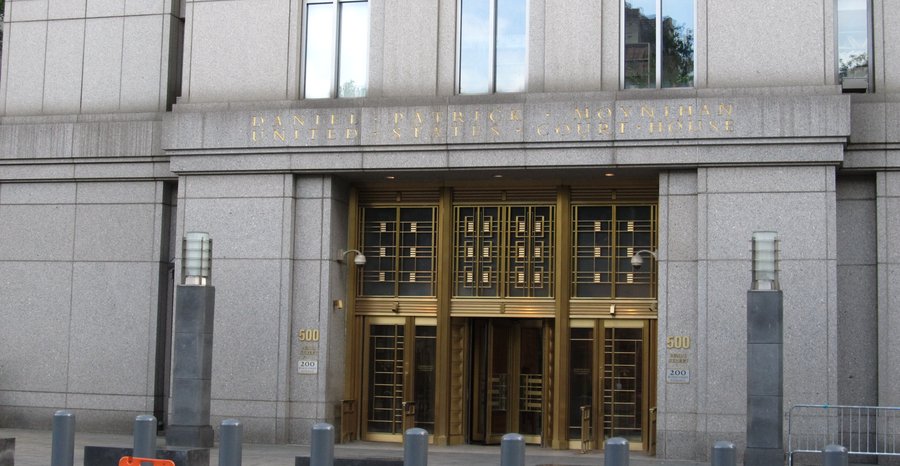
New York — A federal judge in Manhattan on Sunday night, 11 October, ordered the Trump administration to stop airing a series of television commercials that praise President Donald Trump and were paid for with $20 million in taxpayer money set aside for the Department of Homeland Security.
U.S. District Judge Jennifer L. Rochon granted a temporary restraining order, an emergency court order that freezes a situation for a short time while a case is argued. Hers took effect at 6:45 p.m. Eastern time on Sunday and lasts 14 days unless she extends it. She ordered the government to cancel every remaining slot for the ads, "including those placements for the evening of October 11," and not to sign, renew or expand any deal to make or air them.
What the ads are
The ads began airing in late September and glorify the president and echo his political message heading into the 3 November midterm elections, CBS News reported. Control of Congress is at stake in those elections. The court order lists five by name: "The Country He Loves," "Celebrating the Enduring Spirit," "Final Battle," "To the Great Proud People of Iran" and "Maduro." The newest, which began airing on Tuesday, is about the capture of former Venezuelan leader Nicolás Maduro, CBS reported.
The money came through U.S. Customs and Border Protection, part of Homeland Security. According to the order, the White House budget office set aside $20 million for the ads, and on or about 20 September the agency signed a purchase order with an advertising firm, LMD Agency. In a sworn statement, senior Homeland Security official Holly Mehringer said the funds were "available for, among other things, 'commemorating efforts and events related to border security,'" CBS reported.
Who sued, and why
The case was brought by the watchdog group Common Cause; Robert Hunter, a candidate for the Alabama state House; the property service workers union SEIU 32BJ; and its political action committee. They argue that the spending goes beyond what Congress approved the money for and breaks federal rules against using public funds for "publicity or propaganda." The Democratic National Committee has filed a separate lawsuit.
The defendants include Homeland Security, its secretary, Markwayne Mullin, the White House budget office and its director, Russell Vought, and White House Chief of Staff Susie Wiles.
What the judge found
Rochon's four-page order says the challengers are likely to win their case, would suffer harm that money could not repair if she did nothing, and that stopping the ads serves the public interest. She said a full written opinion would follow "shortly."
She also rejected the government's main defence. The Justice Department told the court late Saturday that an order was unnecessary because "the alleged offending conduct will end tomorrow," CBS reported. Mehringer said in her statement that LMD had bought airtime through Sunday, 11 October, at a cost of about $19 million, and that the agency had told LMD not to buy any more, CNN reported. Rochon found the case was "not moot," the legal term for a dispute that has already ended and so no longer needs a court.
The order freezes the purchase order and the $20 million allocation, bars any use of Homeland Security money for the ads, and covers LMD directly. The government must report within 24 hours that it has complied.
The politics
The ads drew criticism from members of both parties. "It shouldn't be paid for with taxpayer dollars," Senate Majority Leader John Thune, a South Dakota Republican, told reporters, CBS reported. In a 5 October social media post, Trump called the ads "rather standard" but said he would pay for them from his political fundraising; a White House official said there were no immediate plans to repay the money already spent, CBS reported.
Mullin defended the campaign on CBS's "Face the Nation" on Sunday. "We should be bragging about what's happening inside America," he said, CNN reported.
"There is no legal justification — and no precedent — for the president to use the machinery of the government and funds set aside by Congress for other uses to influence electoral outcomes," the challengers said in a statement.
What it means in practice
The ads are off the air. If the administration wanted to restart them with public money before the order expires, its lawyers would first have to get the judge to lift it, CNN reported. Most of the money, about $19 million, has already been spent, and the order does not claw it back.
The larger question, whether a president can use money Congress gave an agency to run ads about himself before an election, is still to be decided. Rochon has only said the challengers are likely to win.
What happens next
The judge cancelled a court conference that had been set for Tuesday, 13 October, and said she would reschedule it to discuss next steps. Her full opinion is due soon. The government can ask her, or a higher court, to lift the order.