
Courts · Houston
Judge Keeps Houston’s No-Cash Bail Deal
A federal judge refused on 5 October to end the 2019 settlement that lets most people arrested for minor crimes in Harris County, home to Houston, leave jail without paying bail. Four local judges have appealed.
By ClarkHouston · Tuesday, 6 October 2026
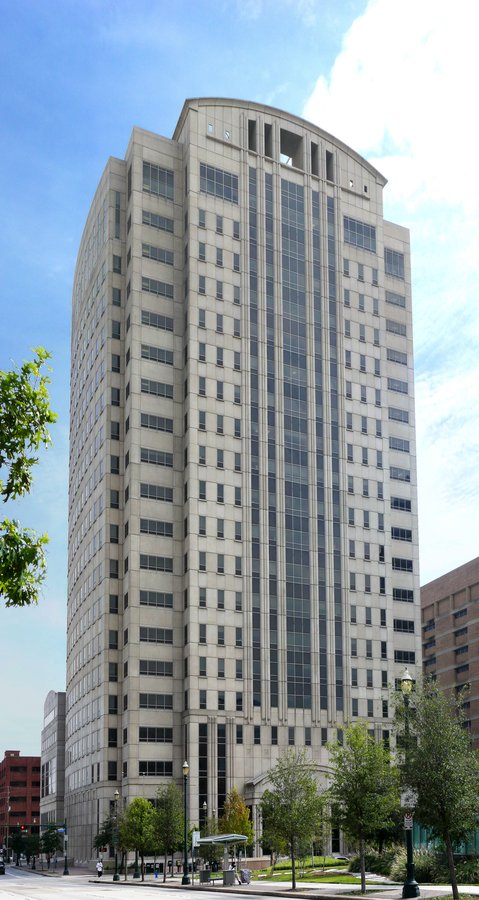
Houston — A federal judge on Monday kept in place the court settlement that lets most people arrested for minor crimes in Harris County, Texas, leave jail before trial without paying cash bail. U.S. District Judge Lee H. Rosenthal denied requests from Texas Attorney General Ken Paxton and four county judges to end it, The Texas Tribune reported.
Harris County, which includes Houston, is the most populous county in Texas.
What bail is, and what the settlement does
When someone is arrested and charged, a court decides whether they can go home while the case is pending. Under a cash bail system, a person is released only after paying a set amount of money, which is returned if they show up for court. People who cannot pay stay in jail, sometimes for weeks, even though they have not been convicted.
The Harris County settlement covers misdemeanors, the less serious of the two main categories of crime. It is a consent decree, an agreement between the parties in a lawsuit that a judge approves and then enforces like a court order. It ended a 2016 class-action lawsuit, a case brought on behalf of a whole group of people, known as the ODonnell case.
Before the settlement, a federal court had found that the county's misdemeanor cash bail system made poverty worse while not "meaningfully" improving public safety or making sure people came back to court, the Tribune reported. Under the decree, most people facing misdemeanor charges are released without having to pay.
Travis Fife, a lawyer with the Texas Civil Rights Project who defended the decree, said about 28,000 people are released under the policy each year.
The challenge
Paxton asked Rosenthal in August 2025 to end the decree, a day after President Trump issued an executive order seeking to end cashless bail. Four Harris County criminal court judges, Paula Goodhart, Jessica Padilla, Leslie Johnson and Linda Garcia, later joined him.
They pointed to a 2023 ruling by the U.S. Court of Appeals for the Fifth Circuit, which hears federal appeals from Texas. In a similar challenge to Dallas County's bail system, that court applied a legal rule known as Younger abstention, which largely bars federal courts from stepping into criminal cases that are still under way in state courts. The ruling also undercut parts of the court's earlier decision in the Harris County case.
Paxton also argued that the decree clashes with two state laws: a 2021 law requiring people accused of violent crimes to pay cash to get out of jail, and a 2025 law that narrows who can get low-cost or cashless bail. The four judges argued in a filing that the decree treats almost every minor charge the same, even when the conduct is serious or the person has a long record.
The ruling
Rosenthal rejected the requests because they were not made "within a reasonable time," the Tribune reported. The Fifth Circuit ruling they relied on had come years earlier.
The ruling followed pressure from the appeals court. On 26 August, a Fifth Circuit panel, ruling 2–1, ordered Rosenthal to consider the four judges' Younger argument quickly, well before the 3 November Texas judicial election, and told her to follow its 2023 Dallas County ruling, which said the Harris County case should not have been heard in federal court. Rosenthal had scheduled a hearing for after the election. The panel also said the four judges apparently could not have moved sooner, because, as they told the court, they were able to hire their own lawyers only in November 2025. Lawyers for the people protected by the decree asked the U.S. Supreme Court to put that order on hold; Justice Samuel Alito denied the request on 9 September, according to the court's docket.
The decree had broad local support. Harris County Sheriff Ed Gonzalez, District Attorney Sean Teare and the county's 12 other misdemeanor court judges backed keeping it. Gonzalez wrote in a court declaration that the jail had become "significantly less congested with low-risk defendants" since the decree took effect, and Teare said his office would face dozens of extra bail hearings a day if it were thrown out.
A March report by the court-appointed monitor, an independent expert who tracks whether the county is following the decree, found no rise in repeat offences by people arrested for misdemeanors, and said misdemeanor arrests have fallen since 2015.
"Our heart and our joy in the outcome is really because of what the consent decree does and now will continue to do for people's liberty in Harris County," Fife said.
What happens next
The four judges have appealed to the Fifth Circuit, the same court that issued the August order. The attorney general's office did not respond to the Tribune's requests for comment.
Bail remains a live issue in Texas. Voters last year amended the state constitution to require judges to deny bail to people accused of certain serious felonies, and Governor Greg Abbott has listed further bail limits among his priorities for the next legislative session.
Floor: U.S. District Judge Lee H. Rosenthal, 5 October 2026, denied motions by Texas Attorney General Ken Paxton and four Harris County Criminal Court-at-Law judges to vacate the 2019 ODonnell misdemeanor bail consent decree as untimely; judges have appealed to the Fifth Circuit. Background: Fifth Circuit writ of mandamus, In re Goodhart, No. 26-20337, 26 August 2026; Supreme Court application 26A296 denied by Justice Alito, 9 September 2026. Sources: The Texas Tribune; the Fifth Circuit order; the Supreme Court docket.
Sources: https://www.texastribune.org/2026/10/05/texas-harris-county-misdemeanor-cash-bail-ruling/; https://www.ca5.uscourts.gov/opinions/unpub/26/26-20337.0.pdf; https://www.supremecourt.gov/search.aspx?filename=/docket/docketfiles/html/public/26a296.html.