
Diplomacy · Bern
Swiss Voters Reject Stricter Neutrality Rule
About 70 percent of voters and all 26 cantons rejected a far-right plan to write strict neutrality into the constitution. It would have barred most sanctions and curbed cooperation with the Nato military alliance.
By ClarkBern · Monday, 28 September 2026
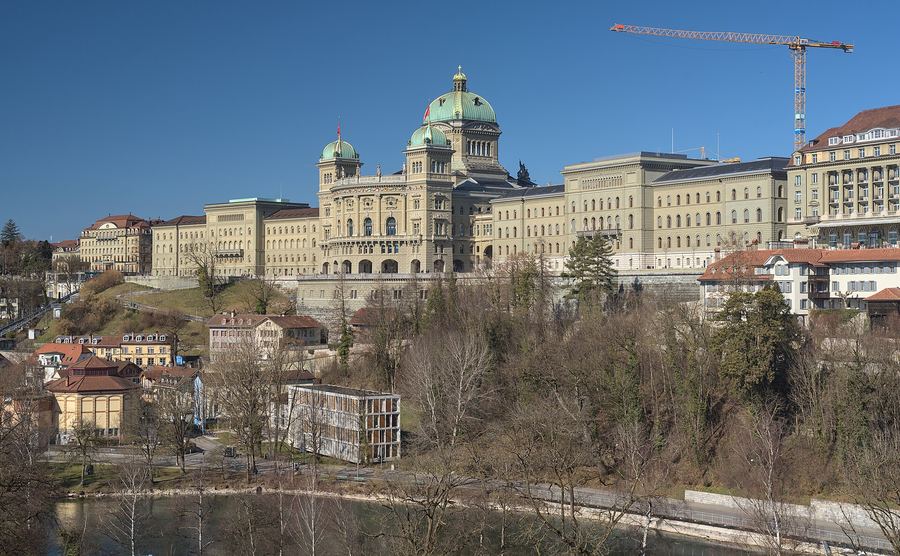
Bern — Swiss voters on Sunday, 27 September 2026, rejected a popular initiative that would have written a much stricter definition of neutrality into Switzerland’s constitution. Official results showed about 70.15 percent voting no and 29.85 percent yes. Every one of Switzerland’s 26 cantons also voted no. Turnout was about 47 percent.
In Switzerland, some national questions go to a nationwide referendum. For a constitutional initiative to pass, it needs a “double majority”: more than half of voters nationwide and a majority of the cantons. This proposal, backed by the far-right Swiss People’s Party (SVP), failed both tests.
What the initiative would have done
Supporters wanted the constitution to enshrine “perpetual and armed neutrality,” bar Switzerland from joining military alliances, and stop Bern from imposing sanctions on warring states unless the United Nations required them. Under that rule, Switzerland’s own decision to copy many European Union sanctions on Russia after 2022 would have been much harder to repeat.
Switzerland’s neutrality is centuries old in practice and was formally recognized after the Napoleonic wars in 1815. It has long meant staying out of other countries’ wars while keeping an armed defense and offering “good offices” — mediation and hosting talks. Critics of current policy say that tradition was eroded when the government mirrored EU sanctions on Russia after the full-scale invasion of Ukraine in 2022. Switzerland is not a member of Nato, the Western military alliance, but has cooperated with it for about thirty years on training and other non-membership ties. The failed initiative would have narrowed that room for maneuver.
Who wanted what
The SVP and its prominent backer Christoph Blocher pushed the “Safeguard Swiss neutrality” campaign. Bloomberg, cited by the Guardian, reported Blocher spent about 2 million Swiss francs on the effort. Russia’s foreign ministry had praised the initiative and criticized Switzerland’s EU-aligned sanctions. The Swiss government and most parties opposed the measure, arguing it would leave Switzerland a less reliable security partner, less able to work with Nato, and less able to adapt when crises change.
Foreign Minister Ignazio Cassis welcomed the result, saying Swiss voters chose a neutrality that “has proven its worth” and that Switzerland keeps room to protect its security, independence and prosperity. He stressed the vote was “not a vote against neutrality,” and that being neutral does not mean being indifferent. Green lawmaker Sibel Arslan said voters understood the SVP wanted Switzerland to isolate itself. The SVP accepted the defeat and said it had no immediate further plans.
What happens next
Existing Swiss policy on sanctions and Nato cooperation remains in place unless a future vote or law changes it. The government keeps case-by-case flexibility on economic sanctions, including the Russia-related measures adopted after 2022. A separate food-security initiative on the same ballot also failed, with about 72.5 percent voting no.
Floor: Swiss national referendum, 27 Sep 2026. The “Safeguard Swiss neutrality” initiative was rejected, 70.15% no to 29.85% yes, with no majority in any of the 26 cantons; turnout 47.06% (Anadolu Agency, citing official results; Guardian: about 70%, all cantons). A constitutional change needs a majority of voters and of cantons; it failed both. It would have written “perpetual and armed” neutrality into the constitution, barred military alliances and barred sanctions on warring states unless mandated by the United Nations (Guardian; Anadolu Agency). Backed by the Swiss People's Party; Christoph Blocher spent about 2 million francs on the campaign (Guardian, citing Bloomberg). The government and most parties opposed it; Foreign Minister Ignazio Cassis said room to maneuver is kept and it was “not a vote against neutrality.” Context: Switzerland matched EU sanctions on Russia after 2022; it has cooperated with Nato, the Western military alliance, for about 30 years without joining. A separate food initiative was also rejected, 72.52% no (Anadolu Agency). Sources: Anadolu Agency, Guardian, 27 Sep 2026.
Sources: Anadolu Agency, 27 Sep 2026; Guardian, 27 Sep 2026.