
Policy · Brasília
Brazil Bans Fixed-Odds Sports Betting
President Luiz Inácio Lula da Silva signed a decree banning fixed-odds sports and online betting. Sites must go offline within 10 days, and licenses end after 30 days with no refund of license fees.
By ClarkBrasília · Monday, 28 September 2026
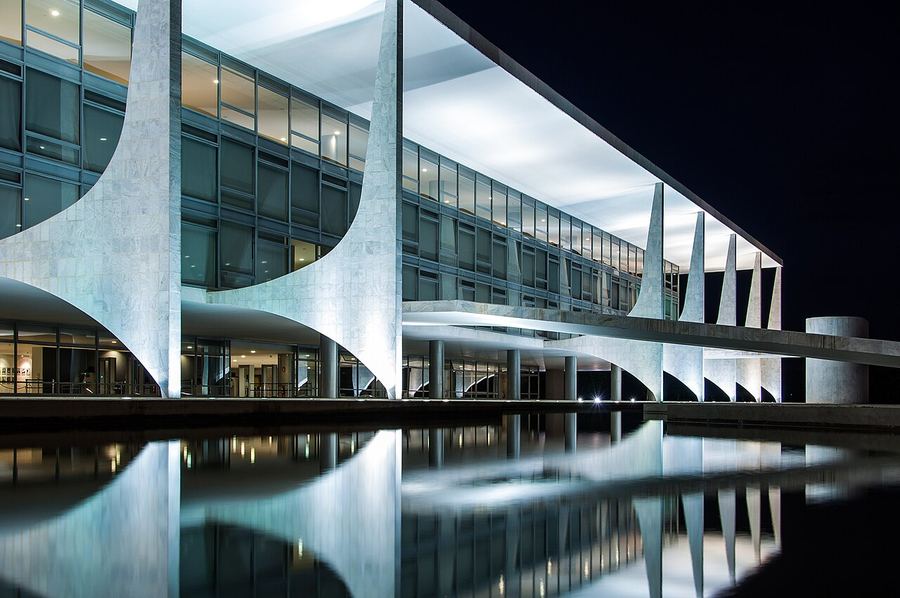
Brasília — President Luiz Inácio Lula da Silva on 25 September 2026 signed Provisional Measure No. 1.394, which bans the operation, offer, intermediation and advertising of fixed-odds betting across Brazil. The text was published the same day in an extra edition of the official gazette and took effect on publication.
A provisional measure is a presidential decree with the force of law. It applies at once, but Congress must later keep, change or reject it under Brazil’s constitution. This one targets “apostas de quota fixa” — bets where the payout is set by a fixed multiplier — on real sports events and on virtual online games. Other lottery games already authorized by law are left alone. The ban covers physical and online offers, including operators based abroad who sell to people in Brazil, and it reaches state and Federal District licenses as well as federal ones.
Licenses end; fees stay with the state
Licenses and concessions issued under Law 14.790 of 29 December 2023 — the statute that built Brazil’s recent fixed-odds market — are extinguished 30 days after the measure’s publication. From publication day, no new licenses may be granted, and pending applications die. The measure says the shutdown is for public interest and that operators have no right to a refund of the grant fee or to compensation. The Health Ministry said 85 licenses had been issued at 30 million reais (R$) each, about R$2.55 billion in total, paid by operators to the government.
What bettors and operators must do
Ten days after publication, operators must take betting sites and apps offline, including in app stores, or face blocking. From publication, new money may not enter operators’ transactional accounts except in narrow cases tied to unwinding investments already held for bettors. Open bets that are not settled in time are void, with full refunds of stakes and no deductions; prizes already won by the deadline still must be paid.
After sites go down, operators have two days to prove they have the cash to repay bettors, send banks and payment firms individualized lists (with each bettor’s tax ID and amounts), and send the same proof to the Finance Ministry’s Prizes and Bets Secretariat. Banks then have seven days to return the money, preferably to the account it came from. Money that cannot be returned goes to a special account at the state-owned bank Caixa Econômica Federal under ministry supervision. Missing those duties can draw a fine of R$200,000 a day until fixed.
Advertising and enforcement
Advertising, marketing and sponsorship for fixed-odds betting are banned nationwide. Physical and digital ads must come down within ten days. Internet platforms have a duty of care to stop banned promotional content; app stores and operating systems must keep banned products off their shelves. The Finance and Justice ministries may ask for site blocking, with the telecoms regulator Anatel and Brazil’s internet steering committee helping carry out the orders. Banks and payment systems are barred from processing betting transactions except those needed to shut down and repay customers. The Central Bank is to build an electronic channel to reject and reverse illegal betting transfers. An inter-agency committee coordinated by the Civil House, the president's chief-of-staff office, will oversee the crackdown.
What happens next
Industry groups have said they plan to challenge the measure in Brazil’s Supreme Federal Court. The measure lapses unless Congress approves it, generally within 120 days. Separately, the government said it would send a bill to create new criminal penalties for illegal betting, advertising and related conduct; that bill is separate from the provisional measure and has not yet been sent to or passed by Congress.
Floor: Provisional Measure No. 1,394, 25 Sep 2026, published in an extra edition of Brazil's official gazette: bans running, offering, brokering and advertising fixed-odds betting (sports and virtual online games) nationwide, including foreign operators targeting Brazil; other authorized lotteries are not affected. Licenses under Law 14,790 of 2023 end 30 days after publication; no new licenses; no refund of the license fee and no compensation (articles 4 to 6). Sites and apps offline 10 days after publication; refund and settlement schedule in articles 7 to 9; daily fine of 200,000 reais for certain failures during the transition. Advertising ban and platform duties in articles 16 to 22; payment-system and site-blocking tools in articles 14, 15 and 23. Signed by President Lula; countersigned by Dario Carnevalli Durigan and Wellington César Lima e Silva. The Health Ministry says 85 licenses were issued at 30 million reais each, about 2.55 billion reais in total. Industry groups plan to challenge the measure at the Supreme Federal Court. Sources: official text of the measure (Planalto); Health Ministry release; CBN/Globo; O Tempo, 25–27 Sep 2026.
Sources: Medida Provisória nº 1.394, 25 Sep 2026, official text; Gaming.net summary citing DOU / Agência Senado / Health Ministry, 26 Sep 2026.