EPA Lets Colorado Permit Carbon Storage Wells
From Nov. 12, Colorado's energy regulator, not the Environmental Protection Agency, will issue permits for wells that store carbon dioxide deep underground; the change approves no project, and every well still needs its own permit.
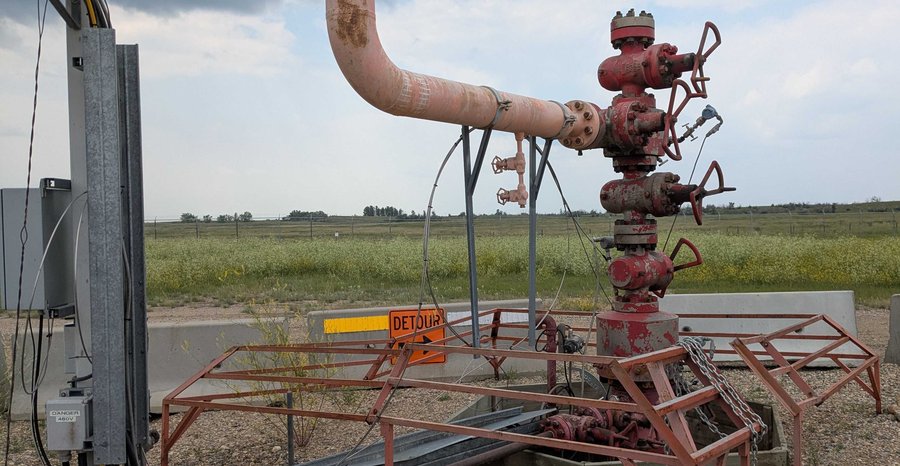
From 12 November, Colorado, not the Environmental Protection Agency, will issue and enforce permits for Class VI wells, which inject carbon dioxide deep underground for permanent storage. The agency published the final rule in Tuesday's Federal Register after finding that Colorado's program meets the requirements of federal drinking-water law.
The Colorado Energy and Carbon Management Commission takes over the permits. The federal agency keeps oversight of the state program and remains the permitting authority on Indian lands.
Why it matters: these wells are a step in carbon capture and storage projects, which take carbon dioxide from industrial plants or power stations and try to lock it away underground instead of releasing it to the air. Companies will apply to the state commission rather than to the federal agency's Denver office, and neighbors will comment in state permit processes. The rule approves no project: every well still needs its own permit, geology review and monitoring plan.
The hopeful detail: most public comments supported the change, and some said state permitting would spread the workload and help address a national backlog of Class VI permit applications.
Washington — The U.S. Environmental Protection Agency published a final rule in Tuesday's Federal Register approving Colorado's request to run its own Underground Injection Control program for Class VI wells — the category of wells used to pump carbon dioxide into deep rock formations for geologic storage.
The rule takes effect on 12 November 2026. From that date, the Colorado Energy and Carbon Management Commission will issue and enforce Class VI permits inside the state. EPA remains the permitting authority for Class VI wells on Indian lands in Colorado and will oversee how the state runs the program, the Federal Register notice says.
What Class VI wells are
Under the Safe Drinking Water Act, EPA's Underground Injection Control program sorts injection wells by what they put underground and how risky that is for drinking water. Class VI wells are built to inject carbon dioxide for permanent storage in deep geologic formations — a step in carbon capture and storage projects that take CO₂ from industrial plants or power stations and try to lock it away underground instead of releasing it to the air.
Operators must meet construction, testing, monitoring, financial and emergency rules before they get a permit. Until a state wins "primacy," EPA itself issues those permits. Primacy means EPA has found that the state's laws and staffing meet federal standards and has handed day-to-day permitting to the state.
Why Colorado asked
Colorado submitted its Class VI primacy application on 7 October 2025 after expanding the Energy and Carbon Management Commission's authority and finishing a state rulemaking, the Federal Register recounts. EPA says it ran a technical and legal review, took public comment, and found the state program meets Safe Drinking Water Act requirements. Most public comments supported approval; some said state permitting would spread the workload and help address a national backlog of Class VI permit applications. Opponents raised tribal-consultation concerns and the risk of carbon dioxide spreading underground toward groundwater, the notice says.
What it means in practice
Companies that want to store carbon dioxide under Colorado land (outside Indian lands) will apply to the state commission rather than to EPA Region 8 in Denver. Neighbors and local governments will comment in state permit processes under Colorado's Class VI rules. Colorado's rules must meet federal drinking-water standards, and EPA keeps oversight of the state program.
The rule does not approve any particular storage project. Each well still needs its own permit, site geology review and monitoring plan.
The Southern Ute Indian Tribe, in comments summarized in the Federal Register, supported approval while asking EPA to make clear that Colorado's rules do not apply on the Southern Ute and Ute Mountain Ute reservations.
What happens next
On 12 November the state program takes over. Any company that wants to store carbon dioxide in Colorado still has to win a permit for each well.