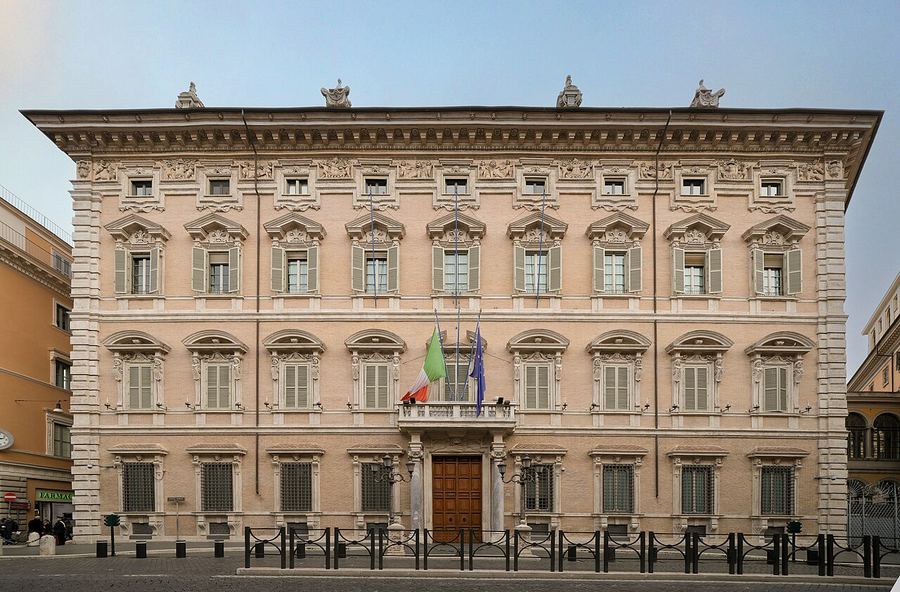
Italy’s Senate on Wednesday, 23 September 2026, gave final approval to legislation paving the way for a return to nuclear power, according to Associated Press reporting opened for this pack and a same-day English ANSA dispatch. The measure cleared the upper house 81–51 with seven abstentions, AP reported. It had already passed the Chamber of Deputies. Premier Giorgia Meloni’s government advanced the bill as part of its energy-security and climate agenda.
The bill establishes a legal framework for next-generation nuclear technologies and authorizes the government to draft implementing decrees over the next 12 months covering reactor licensing, safety standards, waste management, and criteria for future sites, AP reported. ANSA quoted Meloni saying Parliament had “definitively approved the nuclear law” and that after nearly 40 years Italy again has a regulatory framework to produce nuclear energy; she said the government will draft implementing regulations on safety, authorizations, waste management, and relations with local communities. Environment and Energy Security Minister Gilberto Pichetto Fratin, who drafted the measure, told ANSA he intends to issue implementing decrees by the end of the year; Il Sole 24 Ore’s English service reported a 12-month countdown for those decrees and called the Senate vote final approval of the enabling bill.
Scope as opened coverage describes it: the framework is aimed at small modular reactors (SMRs) and advanced modular reactors (AMRs), not a revival of large conventional plants; Il Sole 24 Ore reported the text excludes large conventional stations and contemplates maritime uses of mini-reactors. The legislation does not authorize construction of any reactors, AP stressed — it creates the regulatory foundation before future projects can be proposed, assessed, and approved.
Italy abandoned nuclear power after a 1987 referendum following Chernobyl and rejected it again after Fukushima in 2011, AP noted. The country has since imported electricity generated by nuclear plants in neighbouring countries. Public-attitude and cost colour in the AP piece (survey figures; SMR cost ranges; think-tank comments) is secondary to the parliamentary instrument.
What to watch: the implementing decrees within 12 months; designation of the Nuclear Safety Inspectorate’s authorizing role; any voluntary site offers from local authorities; and whether private sponsors bring concrete SMR projects once rules exist. Enabling law is not a construction permit and not a site licence.
Floor: AP + ANSA 23 Sep 2026 — Italian Senate final approval 81–51 (7 abstentions) of Meloni government enabling law for next-gen nuclear (SMR/AMR focus); 12-month window for implementing decrees on licensing, safety, waste, sites (AP / Pichetto via ANSA / Il Sole 24 Ore). Law ≠ reactor authorization. Chernobyl/Fukushima referendum history = context.