Roche announced on 21 September 2026 that the European Commission approved Susvimo (ranibizumab 100 mg/mL solution for injection) for the treatment of neovascular age-related macular degeneration (nAMD) in the European Union. Susvimo is used with Contivue, a refillable ocular implant surgically placed in the eye; the implant releases ranibizumab over time and is refilled on a roughly six-month schedule, Roche said.
nAMD, or wet AMD, is an advanced form of age-related macular degeneration in which abnormal blood vessels grow under the macula and can cause rapid central vision loss if untreated. Roche cited about 1.7 million people with nAMD across the EU and described the condition as a leading cause of vision loss in adults over 60. Standard care has long been repeated injections of anti-VEGF medicines such as ranibizumab into the eye, often every four weeks — a clinic burden Roche and treating ophthalmologists say many patients cannot sustain.
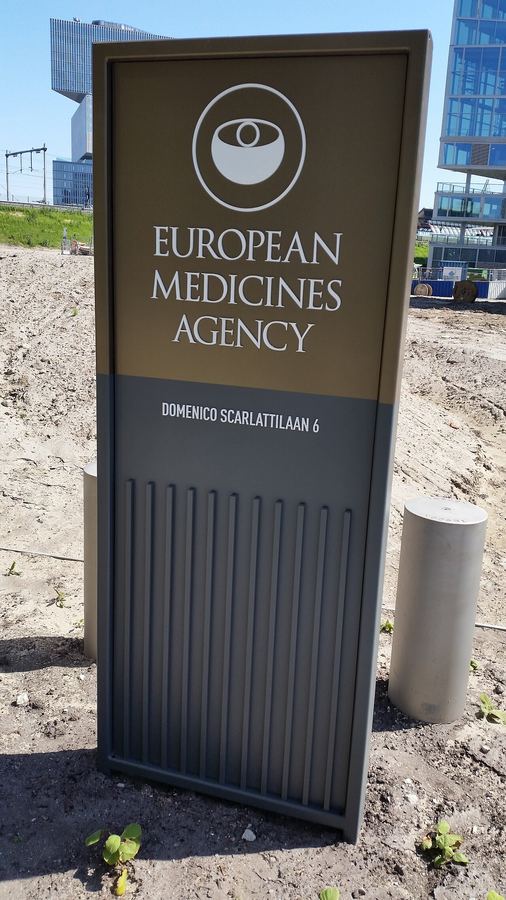
The EU path: EMA’s Committee for Medicinal Products for Human Use (CHMP) adopted a positive opinion on 23 July 2026 recommending a marketing authorisation for Susvimo, according to EMA’s medicine and news pages opened for this draft. The CHMP indication is for adults with nAMD who have achieved stable disease after previously responding to intravitreal VEGF-inhibitor treatment, with continuous release via the Contivue implant, administered by an ophthalmologist experienced in vitreoretinal surgery and trained in the implant procedures. Roche’s 21 September release announced the Commission authorisation. EMA’s Susvimo overview page, as fetched 24 September, now shows the medicine Authorised, with marketing authorisation issued 18 September 2026 (CHMP positive opinion 23 July 2026).
Evidence Roche and EMA describe: the pivotal Phase III Archway study and supportive Ladder and Portal work. Archway showed Susvimo maintained vision outcomes equivalent to monthly intravitreal ranibizumab; with two refills per year, about 95% of Susvimo-treated patients needed no supplemental anti-VEGF treatment in longer-term Portal data Roche cites. Common side effects listed by EMA include iritis, conjunctival bleb or leak, cataract, vitreous floaters, conjunctival haemorrhage and hyperaemia, eye pain, and headache.
Contivue received a CE mark in 2025 for the Port Delivery Platform devices (implant plus ancillary fill, insert, refill, and removal tools), Roche noted. Susvimo with the port system is already approved in the United States (as a combined product) for nAMD and other retinal indications, and Roche said Contivue with Susvimo is also approved for nAMD in Switzerland and Thailand. Price and reimbursement remain Member State decisions after EU authorisation.
What to watch: national reimbursement calendars; and surgeon training and implant-center capacity.
Floor: EC approval announced by Roche 21 Sep 2026 — Susvimo (ranibizumab 100 mg/mL) + Contivue refillable implant for adults with nAMD stable after prior VEGF-inhibitor IVT; ~6-month refill vs monthly injections; Archway equivalence to monthly ranibizumab; CHMP positive opinion 23 Jul 2026 (EMA). Common AEs per EMA overview. Reimbursement national. EMA EPAR: MA issued 18 Sep 2026 (Authorised); Roche announce 21 Sep; CHMP opinion 23 Jul 2026.