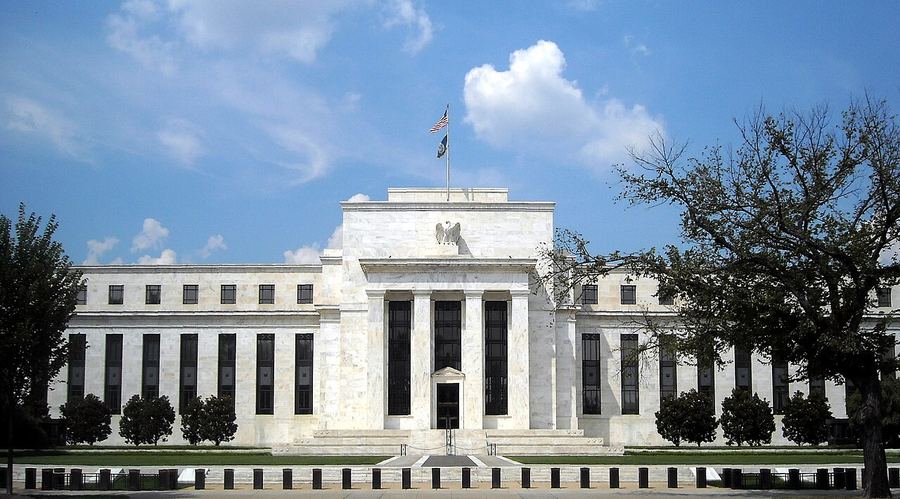
The Federal Open Market Committee raised the target range for the federal funds rate by one-quarter percentage point to 3¾ to 4 percent on Wednesday, 16 September 2026, according to the Federal Reserve’s policy statement released at 2:00 p.m. EDT and a same-day Reuters report, both opened for this pack. Soft FLAG: Reuters and market commentary describe the move as the first Fed hike in three years and the first policy shift under Chair Kevin Warsh — timing colour attributed to those sources, not a desk calendar claim beyond the statement’s date.
The mechanism is conventional overnight-rate targeting. The statement says the Committee acted “in support of the Federal Reserve’s dual mandate,” is “continuing its policy of maintaining ample reserves,” and frames the hike as supporting “a timelier return to the Committee’s 2 percent goal.” Soft FLAG: “Inflation remains elevated” is the Committee’s own language. Implementation votes raised the interest on reserve balances to 3.90 percent and the primary credit rate to 4.0 percent, both effective 17 September, and directed the New York Fed Desk to keep the funds rate in the new range with standing overnight repo at 4.0 percent and reverse repo at 3.75 percent, the Board’s implementation note states.
Named actors and evidence as opened sources state them: the FOMC statement lists a unanimous 12–0 vote. Soft FLAG: Reuters identifies Warsh as the new Fed chief who took office in late May after selection by President Donald Trump, and quotes Warsh’s post-meeting press conference saying domestic spending has been resilient, productivity growth strong and capital investment robust — press-conference colour via Reuters. Soft FLAG: the statement itself does not name Warsh; attribute biography and quotes to Reuters. Soft FLAG: Trump’s Truth Social call for rates near 1% is political reaction via Reuters — keep out of hed/dek; attribute if used.
Updated projections and market reading in the opened Reuters piece: 16 of 18 policymakers anticipate at least one more quarter-point hike by year-end; the median path shows the policy rate in a 4.00%–4.25% range by end-2026 and end-2027; PCE inflation was marked up to 3.7% for this year and is not projected back to 2% until 2029. Soft FLAG: those figures are Summary of Economic Projections / Reuters reporting — not desk forecasts. Soft FLAG: CME FedWatch “about 90% probability” of another hike by year-end is market pricing via Reuters.
What to watch without mood: the next FOMC statement and SEP; whether energy and tariff pass-through stay in the inflation narrative; any dissent after the unanimous September vote.
The statement’s economic paragraph is brief and factual as opened: “Economic activity is expanding at a solid pace. While uncertainty remains elevated owing, in part, to geopolitical developments, domestic spending has been resilient. Productivity growth is strong, and capital investment is robust. Job gains have kept pace with the workforce, and the unemployment rate has changed little.” Soft FLAG: that block is verbatim from the Fed PDF. Soft FLAG: Reuters links the inflation backdrop to import tariffs, an energy shock after the U.S.–Israeli war with Iran, and AI-related capital spending — secondary framing, attribute to Reuters, not the statement text.
Operationally, the Desk directive rolls over all principal payments from Treasury holdings and reinvests agency principal into Treasury bills, and authorizes bill purchases (and if needed other Treasuries with remaining maturities of three years or less) to keep reserves ample. Soft FLAG: those are implementation details from the Board attachment, not a QT restart claim — the statement does not announce a change to the ample-reserves regime beyond maintaining it.
Floor: Fed FOMC 16 Sep — +25 bp to 3.75–4% (12–0); IORB 3.90% / primary credit 4.0% effective 17 Sep; “timelier” return to 2% inflation goal (Fed); SEP path + Reuters: most see ≥1 more hike in 2026.