China’s National Medical Products Administration approved and issued the country’s third medical-device standard for brain-computer interfaces, and “the world’s first such standard for BCI medical devices using artificial intelligence (AI) to process electroencephalogram (EEG) data,” Xinhua reported on 16 September 2026, covering an NMPA action dated 14 September; Inside BCI’s 17 September analysis of the same release was also opened for this pack.
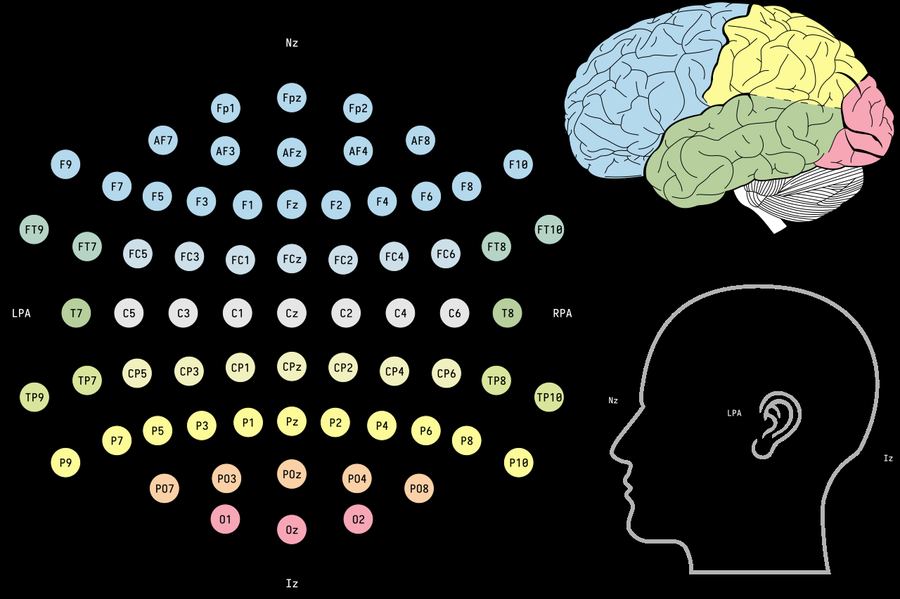
The mechanism is a dataset-quality rule for AI decoders, not a new implant clearance. Xinhua says the standard “specifies quality requirements and evaluation methods for EEG datasets used by AI algorithms in BCI medical devices” and applies across research and development, production and quality control for devices that use AI to post-process EEG signals. It covers collection, processing, annotation, storage and access of EEG data, plus methods for testing dataset quality. Soft FLAG: Inside BCI cites NIFDC medical-device institute deputy director Li Shu on fragmented channel counts and sampling rates (64 vs 128 channels; 2 Hz vs 1,000 Hz examples) as the industry problem the standard targets — attribute. Soft FLAG: NMPA’s Yuan Peng is quoted via Inside BCI as moving the field from “everyone speaking their own language” to “a unified dialogue.”
Named sequence and effective date: Xinhua notes two prior 2025 BCI medical-device standards (terminology; closed-loop implantable stimulator sensing/response tests). Soft FLAG: Inside BCI places the AI-EEG standard after March 2026’s commercial invasive NEO-ONE clearance for Neuracle and June 2026 classification/naming guidelines — regulatory-architecture colour. Soft FLAG: the new standard takes effect 1 September 2027 — roughly a one-year compliance runway (Xinhua). Soft FLAG: “world’s first” is Xinhua/state characterisation; Inside BCI argues the claim holds on the narrow AI-EEG-BCI training-data slice versus FDA and EU horizontal AI/medical rules — desk does not adjudicate global uniqueness beyond attributing the claim.
What the standard is not: Xinhua and Inside BCI do not publish the full Chinese-language text or a mandatory-vs-recommended flag in the English coverage opened; Inside BCI flags that Class II/III consequences are unclear and that named BCI firms were not listed as consulted parties in the announcement. Soft FLAG: do not invent standard number or fine schedule.
What to watch without mood: English translation of the full text; Neuracle or peer prospectus language on compliance; any FDA CDRH or EU MDCG move on AI-BCI data quality before the 2027 effective date.
Xinhua’s framing of the problem is industrial: AI-powered BCIs “depend on large and high-quality EEG datasets to train algorithms to decode brain signals and identify patients’ intentions,” and in medical use “the quality and consistency of such data can directly affect the performance and safety of the devices.” Soft FLAG: that is agency language via Xinhua. Soft FLAG: NMPA used an “expedited procedure” to develop and approve the standard to meet “urgent needs of the industry,” Xinhua says.
Inside BCI’s posture map places the move in China’s “Industrial Builder” lane — purpose-built BCI rules running alongside commercial deployment — versus U.S. technology-agnostic CDRH pathways and EU horizontal AI Act / MDR treatment. Soft FLAG: that comparative frame is Inside BCI analysis, not Xinhua. Soft FLAG: commercial exposure for non-invasive EEG product lines (Inside BCI cites Neuracle’s STAR Market prospectus context) is secondary colour — do not invent compliance costs.
Floor: NMPA AI-EEG BCI dataset standard issued 14 Sep (Xinhua 16 Sep) — world’s first on that slice (Xinhua); covers collection→access + quality tests for AI post-processing of EEG; effective 1 Sep 2027; third Chinese BCI device standard.