The U.S. Food and Drug Administration approved Fayuvi on Thursday, 17 September 2026, as the first treatment for pediatric patients with mucopolysaccharidosis type IIIA (MPS IIIA), also known as Sanfilippo syndrome type A, according to the FDA press announcement, a same-day Reuters report and a BioSpace write-up, all opened for this pack. Soft FLAG: BioSpace notes a prior July 2025 complete response letter tied to manufacturing problems — colour on the comeback path, attributed.
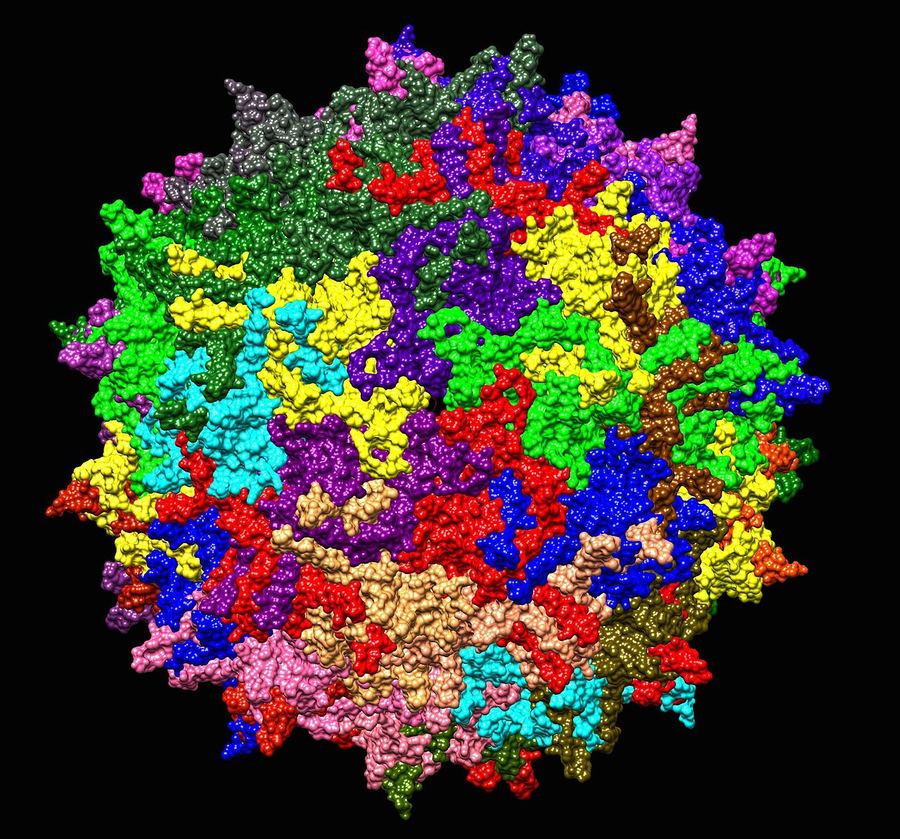
The mechanism is one-time systemic gene delivery. The FDA describes Fayuvi as an intravenous gene therapy that uses a modified, non-infectious adeno-associated virus serotype 9 (AAV9) to deliver a working copy of the SGSH gene into the patient’s cells. That enables production of sulfamidase — the enzyme missing or deficient in MPS IIIA — so heparan sulfate can be broken down in lysosomes and its harmful buildup reduced in the body and brain. Soft FLAG: as with other AAV gene therapies, the FDA warns of thrombotic microangiopathy (TMA) risk and a potential long-term risk that inserted genetic material could integrate and contribute to tumor development — label warnings, not desk adjudication of incidence.
Named actors and evidence, as opened sources state them: Acting FDA Commissioner Kyle Diamantas called the approval a historic moment for children and families with MPS IIIA who until now had no approved treatment to alter the disease course. Karim Mikhail, Director of the Center for Biologics Evaluation and Research, framed parents and clinicians as having waited too long for an option that could change the trajectory. Megha Kaushal, Acting Deputy Director of the Office of Therapeutic Products, said meaningful neurodevelopmental benefit from a single IV dose shows systemic AAV9 delivery can reach the central nervous system at therapeutically relevant levels in pediatric patients. Soft FLAG: those are agency quotes from the FDA release.
Efficacy was evaluated in an open-label, single-arm, multicenter study in pediatric patients; the FDA says treated patients between ages 2 and 5 maintained or improved cognitive function compared with an untreated historical control cohort. Soft FLAG: historical-control design — not a concurrent randomized placebo arm — is the evidentiary frame FDA itself states. Common adverse reactions reported in more than 5% of patients included rises in liver enzymes (AST), nausea and vomiting, fever, decreased appetite, decreased white-cell and platelet counts, and increased amylase. Patients receive corticosteroids starting one day before infusion for at least eight weeks afterward, the FDA says. Fayuvi carried Orphan Drug, Fast Track and Breakthrough Therapy designations; approval went to Ultragenyx Pharmaceutical, Inc.
Commercial terms in the opened secondary sources: Ultragenyx set a U.S. wholesale acquisition cost of $3.95 million and expects availability at specialized U.S. treatment centers within 30 to 60 days, Reuters reports. Soft FLAG: price, shipping window and the company’s comparison that lifetime care for a bedridden child can exceed $8 million are company figures via Reuters. Soft FLAG: J.P. Morgan peak worldwide sales estimates of $200–250 million are analyst projections via Reuters/BioSpace, not desk forecasts. Glenn O’Neill of the Cure Sanfilippo Foundation, whose daughter Eliza received the therapy in 2016, told Reuters the approval means a real chance at a different outcome than the traditional course.
What to watch without mood: first published treated-patient counts after the 30–60 day availability window; any REMS or center-certification details FDA or Ultragenyx posts; outcomes beyond the 2–5 year cognitive window as longer follow-up accumulates.
Floor: Fayuvi FDA 17 Sep — first MPS IIIA / Sanfilippo A gene therapy; one-time IV AAV9 → working SGSH → sulfamidase; cognition maintained/improved vs historical controls (FDA); WAC $3.95m; ship 30–60 days (co.).