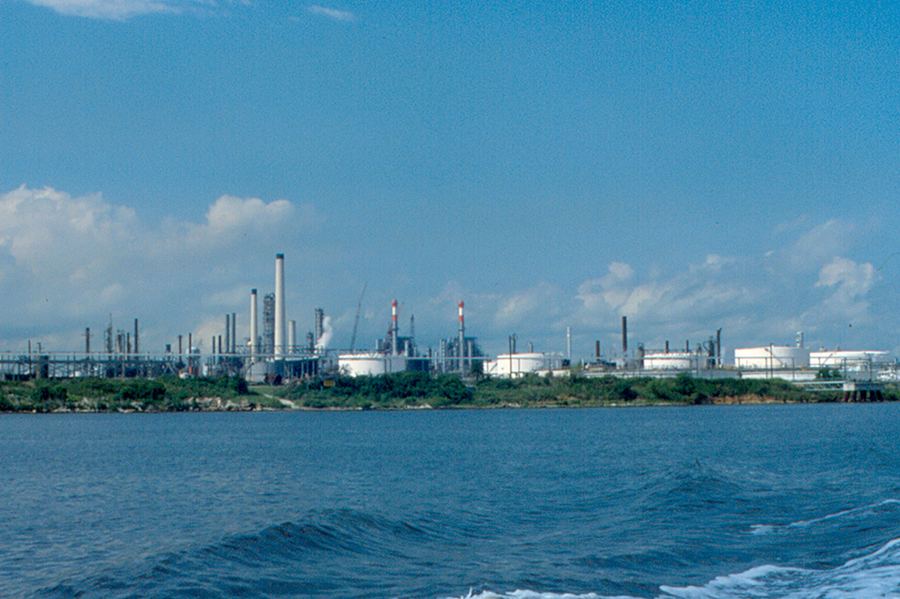
A Reuters exclusive dated 11 September, carried in full by the Spokesman-Review, says the White House is weighing how to apply the Defense Production Act to expand domestic refining. Two sources familiar with the administration’s plans said the proposal surfaced in a recent meeting between Trump and nearly a dozen U.S. refiners, where White House officials asked how federal support could best add capacity. No final decisions were made; participants left expecting the talks to continue.
Refining executives at that meeting told officials that federal money would be better spent making existing plants more efficient or expanding them than financing an entirely new greenfield refinery, which is costlier and multi-year. The Act has never been used to add refining capacity, the report notes, but it gives the president broad power to direct industrial resources and offer financial incentives for materials deemed important to national defense. The latest discussion builds on an April presidential determination that already authorized DPA tools for U.S. petroleum production, refining, and logistics.
The pressure gauge is visible at the pump and in the plant data. The national average diesel price has climbed above $6 a gallon for the first time, the same report says, while gasoline remains elevated. U.S. refiners are running near full tilt, with utilization at 98% in the latest figures cited — producing hard, yet still facing tight global supply and strong demand. Capacity has also concentrated over the past decade as unprofitable plants closed, leaving more of the network on the Gulf Coast.
White House spokeswoman Taylor Rogers, asked about the proposal, said expanding refining capacity is a top priority and that the energy team is evaluating concrete options through regulatory reform, faster permitting, and additional investment. In recent weeks the administration has pointed more often to domestic refining expansion when asked how it will answer fuel-price spikes tied to the Iran conflict — a longer-term buffer against global disruption, and part of the affordability message ahead of November’s midterms.
A proposed 168,000-barrel-per-day refinery at the Port of Brownsville, Texas — America First Refining, announced in March as the first new U.S. refinery in nearly 50 years and backed by India’s Reliance Industries on a 20-year offtake — has emerged as a public test case for the expansion call. Reuters said it was unclear whether that project would receive any DPA funding. Separately, the same report notes Trump recently secured a 35% U.S. government equity stake in North American Blue Energy Partners, a private Venezuelan oil company with rights to develop fields holding about 65 billion barrels of proven reserves, with U.S. purchase rights including 20% of output at production cost — barrels the White House says would eventually run through U.S. plants.
What the desk can observe without interpreting the politics: utilization is already near the ceiling; diesel has crossed a round-number threshold Americans feel daily; the statutory tool under discussion is the DPA, already primed by an April determination; and the named next conversation is how to spend scarce federal leverage on brownfield efficiency and expansions rather than a clean-sheet pad.
Floor: DPA refining talks continue after the refiners’ meeting; diesel is above $6/gal and plants are near 98% utilization — no DPA order filed yet on the pages opened.